KDP Lockscreen Ads: The Complete Guide for eBook Authors (2026)
Lockscreen Ads are Amazon's most underused ad format for KDP authors. This complete guide covers setup, targeting, creative best practices, and how to combine them with Sponsored Products for maximum eBook sales.
What Are Lockscreen Ads?
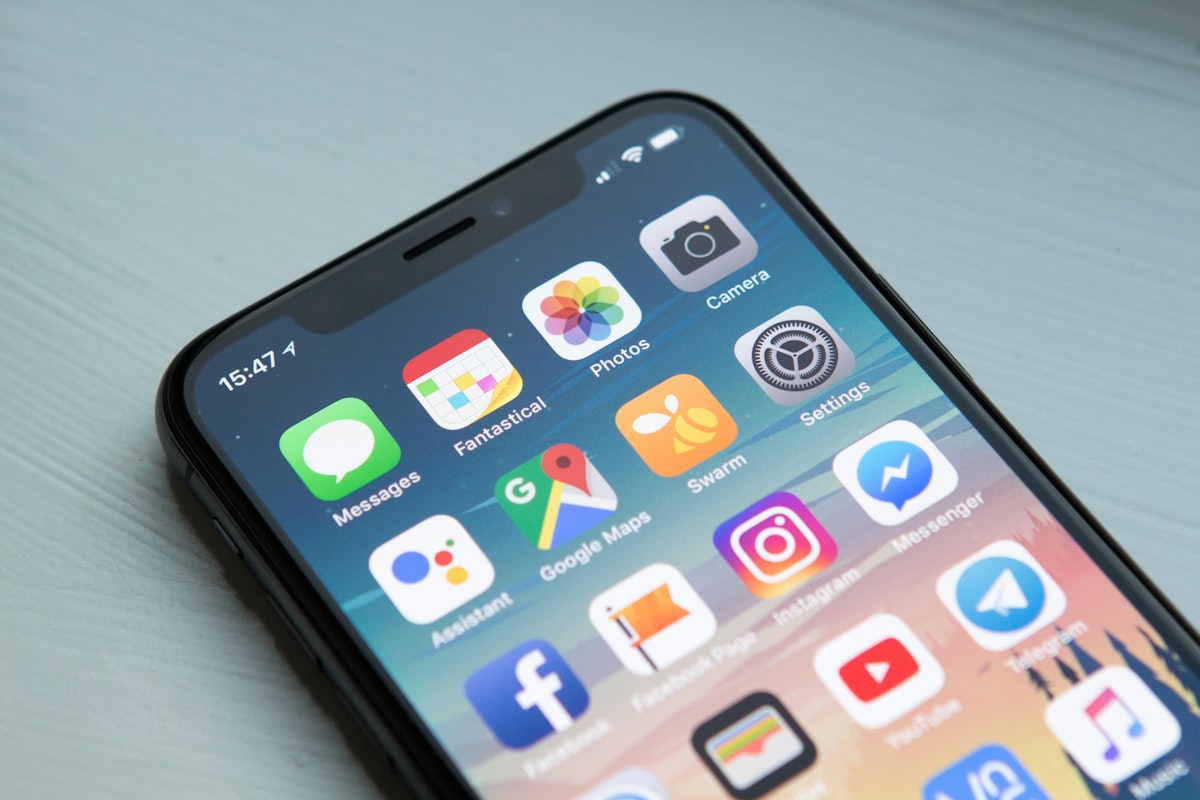
Lockscreen Ads (formerly called Kindle Lockscreen Ads) appear on the lock screen of Kindle e-readers and Fire tablets when the device is sleeping. A reader picks up their Kindle, sees your book cover and a short tagline, and can tap directly to the Amazon product page.
This is one of the most powerful ad placements available to KDP authors — and one of the most underused. While most authors focus exclusively on Sponsored Products in Amazon search results, Lockscreen Ads reach readers in a completely different context: the moment they're about to start reading.
Key facts about Lockscreen Ads:
- Available exclusively for eBooks (Kindle editions) — not print
- Appear on Kindle e-readers and Fire tablets
- Pay-per-click model, same as Sponsored Products
- Minimum bid: $0.02 per click (though competitive bids are typically $0.15–$0.45)
- Average CTR: 0.8–1.5% (significantly higher than Sponsored Products)
Why Lockscreen Ads Work So Well for eBooks
The psychology of Lockscreen Ads is fundamentally different from search ads. A reader picking up their Kindle is already in "reading mode" — they're not distracted by work, social media, or shopping. Their attention is focused and their intent is clear: they want to read.
This context produces several advantages:
Higher purchase intent. Someone picking up a Kindle to read is more likely to buy a book than someone casually browsing Amazon search results. The conversion rate for Lockscreen Ads is typically 8–15% — comparable to or better than well-optimized Sponsored Products campaigns.
Less competition. Most KDP authors don't run Lockscreen Ads, which means CPCs are significantly lower than Sponsored Products for the same genres. Fiction authors in particular often find CPCs 40–60% lower than their Sponsored Products campaigns.
Visual impact. Your book cover is displayed prominently on the device's full screen. A compelling cover design has more visual real estate here than in any other Amazon ad format.
Captive audience. Unlike search ads where users scroll past listings, Lockscreen Ads are unavoidable — the reader sees your ad every time they wake their device. This creates repeated exposure that builds familiarity even when the reader doesn't click immediately.
Setting Up Your First Lockscreen Ad Campaign
Step 1: Verify Eligibility
Lockscreen Ads require:
- An active KDP Select enrollment for the book you're advertising
- A Kindle edition (MOBI/ePub) — print-only books are not eligible
- An Amazon Advertising account linked to your KDP account
Step 2: Create the Campaign
In Amazon Advertising, select Sponsored Display → Lockscreen Ads (the naming has changed in some markets; look for "Lockscreen" in the campaign type selector).
Set your campaign name, daily budget ($3–$10/day is a good starting point), and campaign dates.
Step 3: Choose Your Targeting
Lockscreen Ads offer three targeting options:
| Targeting Type | How It Works | Best For |
|---|---|---|
| Genre | Shows ads to readers of specific Kindle Store genres | Broad awareness; new book launches |
| Interest | Targets readers based on reading history and browsing | Mid-funnel; readers who've shown interest in similar books |
| ASIN | Targets readers who've recently viewed specific books | High-intent; readers actively considering similar titles |
Recommendation: Start with Genre targeting to gather data, then layer in ASIN targeting for your top-performing competitor books.
Step 4: Write Your Ad Creative
Lockscreen Ads display your book cover plus a short custom tagline (up to 150 characters). The tagline appears below your cover image.
Tagline best practices:
- Lead with the reader benefit, not the book description
- Create urgency or curiosity: "The thriller everyone's talking about" or "If you loved Gone Girl, you'll devour this"
- Include social proof when available: "Over 2,000 five-star reviews"
- Avoid generic phrases: "A great read" or "You'll love this book" are ignored
Examples by genre:
| Genre | Weak Tagline | Strong Tagline |
|---|---|---|
| Thriller | "A gripping thriller" | "She trusted him with everything. He took it all." |
| Romance | "A love story you'll remember" | "Fake dating. Real feelings. One impossible choice." |
| Non-fiction | "Learn about keto diet" | "Lose 30 lbs in 90 days — without counting calories" |
| Fantasy | "An epic fantasy adventure" | "One girl. Seven kingdoms. Zero mercy." |
Targeting Strategy: The Three-Layer Approach
The most effective Lockscreen Ads strategy uses three campaigns simultaneously, each targeting a different stage of reader awareness:
Layer 1 — Genre Broad (Awareness) Target 3–5 broad genres that match your book. Set a low bid ($0.15–$0.25) and a modest daily budget ($3–$5). This campaign builds impressions and brand familiarity at low cost.
Layer 2 — Interest Targeting (Consideration) Target readers who've shown interest in your specific subgenre. For a cozy mystery, this might be "cozy mystery readers" or "amateur sleuth fiction readers." Bid slightly higher ($0.25–$0.40).
Layer 3 — ASIN Targeting (High Intent) Target readers who've recently viewed the top 10–20 books in your category. These readers are actively shopping for books like yours. Bid your highest ($0.35–$0.55) and monitor conversion rates closely.
Combining Lockscreen Ads with Sponsored Products
The most powerful KDP advertising setup combines both formats:
- Sponsored Products capture readers who are actively searching for books in your genre on Amazon.com
- Lockscreen Ads capture readers who are already Kindle owners in reading mode, before they even open the Amazon app.
This two-channel approach means your book appears at multiple touchpoints in the reader's journey. Authors using both formats on kdp.ad see 25–40% higher total sales volume compared to Sponsored Products alone.
Budget allocation recommendation:
- 70% of ad budget → Sponsored Products (higher volume, more data)
- 30% of ad budget → Lockscreen Ads (lower CPC, high-intent audience)
Adjust based on your results after 30 days of data.
Performance Benchmarks for Lockscreen Ads
| Metric | Good | Needs Attention | Action Required |
|---|---|---|---|
| CTR | > 0.8% | 0.4–0.8% | < 0.4% → update tagline or cover |
| Conversion Rate | > 8% | 4–8% | < 4% → price or description issue |
| ACOS | < 40% | 40–55% | > 55% → lower bid by 15% |
| Impressions/day | > 5,000 | 1,000–5,000 | < 1,000 → bid too low or genre too narrow |
Common Lockscreen Ads Mistakes
Running Lockscreen Ads for print books. Only Kindle editions are eligible. If you're advertising a print-only ASIN, the campaign won't deliver.
Using the same tagline for months. Kindle readers see your ad every time they wake their device. A tagline that felt fresh in month one becomes invisible by month three. Rotate taglines every 4–6 weeks.
Ignoring the cover. Lockscreen Ads are a visual format. A cover that doesn't immediately communicate genre and quality will underperform regardless of how good the tagline is. If your CTR is below 0.4%, the cover is usually the culprit.
Setting too-low bids. The minimum bid of $0.02 won't win meaningful impressions in competitive genres. Start at $0.20–$0.30 and adjust based on impression volume.
kdp.ad manages Lockscreen Ads alongside your Sponsored Products campaigns — one dashboard, one target ACOS, automatic bid optimization across all formats. Start your free 14-day trial.
Recommended Resource
Vellum — eBook & Print Formatting for Mac
Create beautifully formatted Kindle eBooks and print books in minutes. The go-to tool for authors who want professional results without a designer.
Check price on Amazon →Get the free KDP ACOS Calculator
A Google Sheet that calculates your break-even ACOS, true profit per sale, and optimal bid ceiling for any book — plus weekly KDP ads tips delivered every Monday.
No spam. Unsubscribe anytime.
More Resources for KDP Authors
Part of the Taciturn Studios publishing network.

CoverCrushing
covercrushing.com
Book cover inspiration and design analysis for authors who know that covers sell books.
MyAuthorVoice
myauthorvoice.com
Writing craft, author branding, and publishing guides for KDP authors.

GuideTopics
guidetopics.com
In-depth how-to guides on Amazon Ads, KDP publishing workflows, and self-publishing tools.

We use cookies and similar technologies to improve your experience, analyze site traffic, and serve relevant ads. By clicking Accept, you consent to our use of cookies as described in our Privacy Policy. You can decline non-essential cookies — the site will still work, but personalized ads won't be shown.